22nd International Conference on Disease of Fish and Shellfish (EAFP2025)
updated news
GRINNAQUA will be present at the 22nd International Conference on Diseases of Fish and Shellfish (EAFP 2025), which takes place in Heraklion, Crete, from 1–4 September 2025 at the Cultural Conference Center of Heraklion.
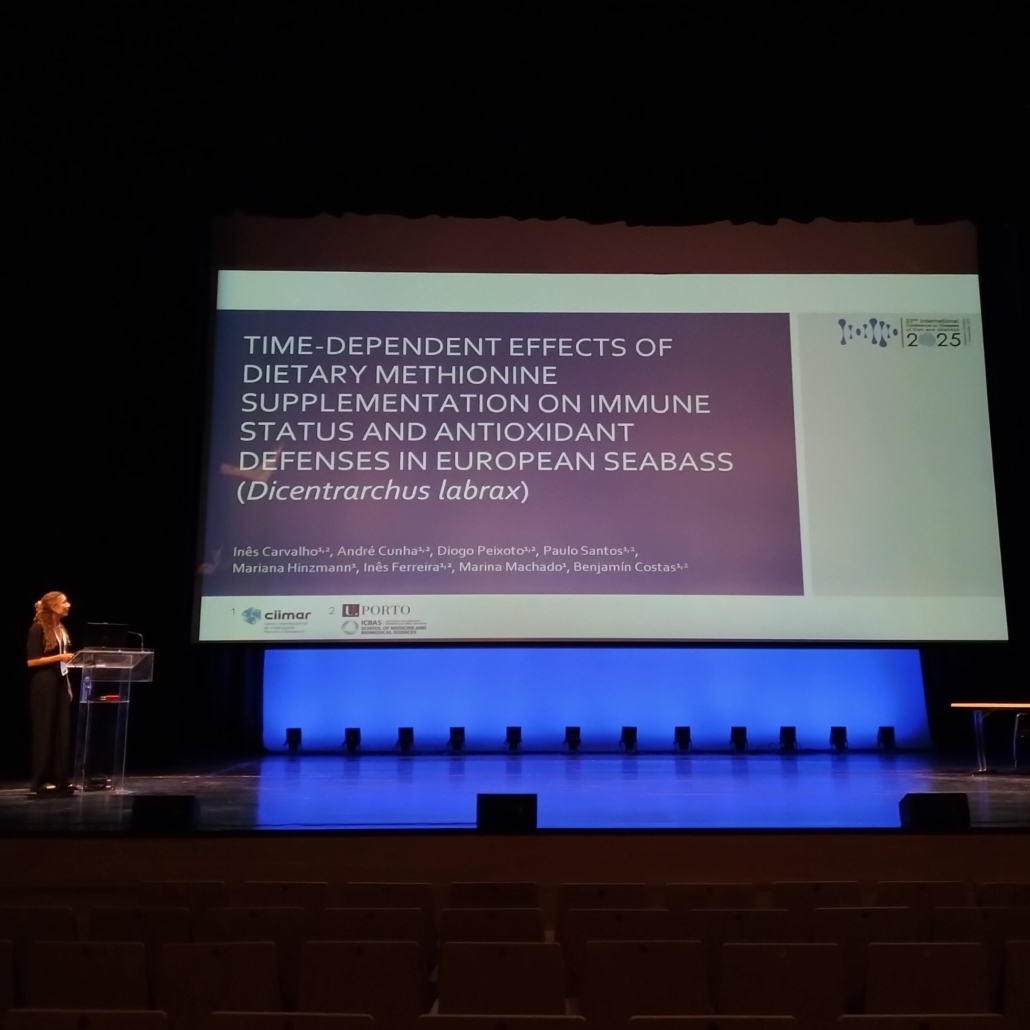
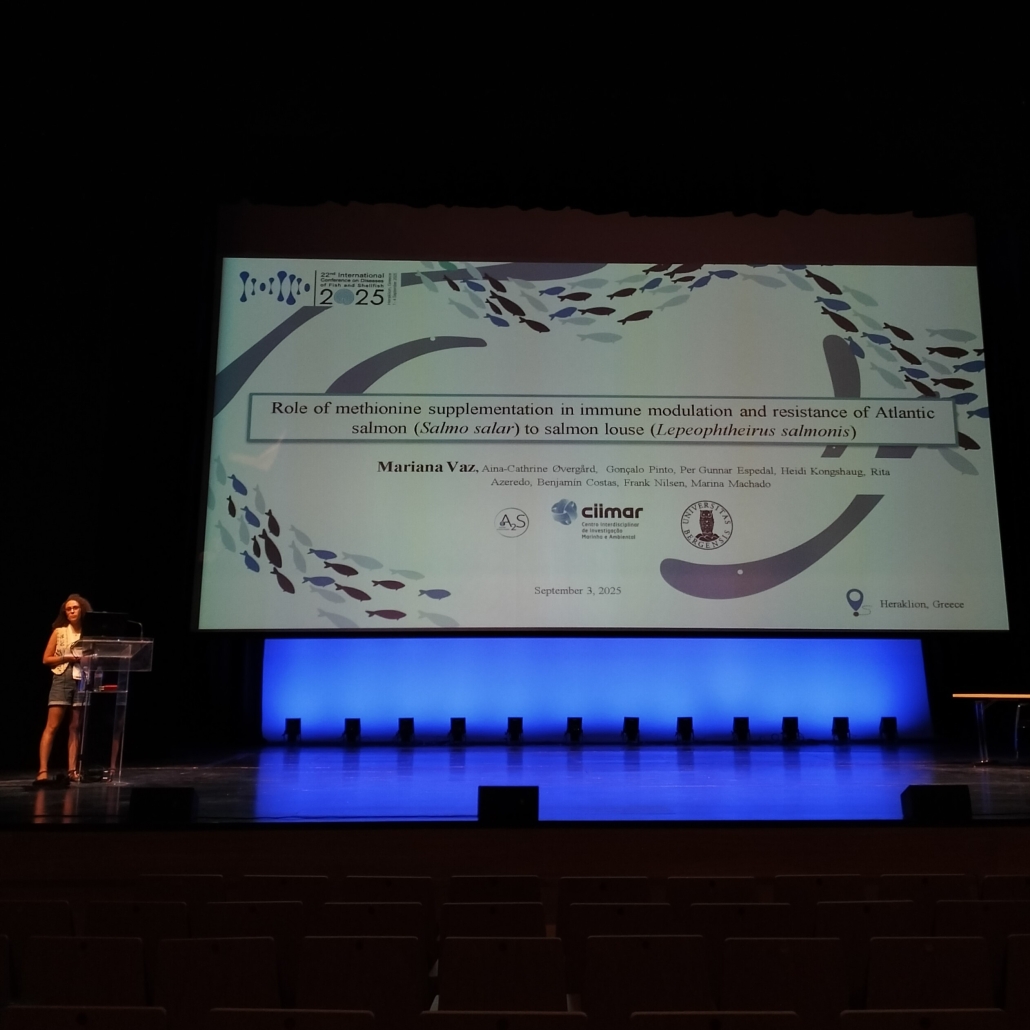
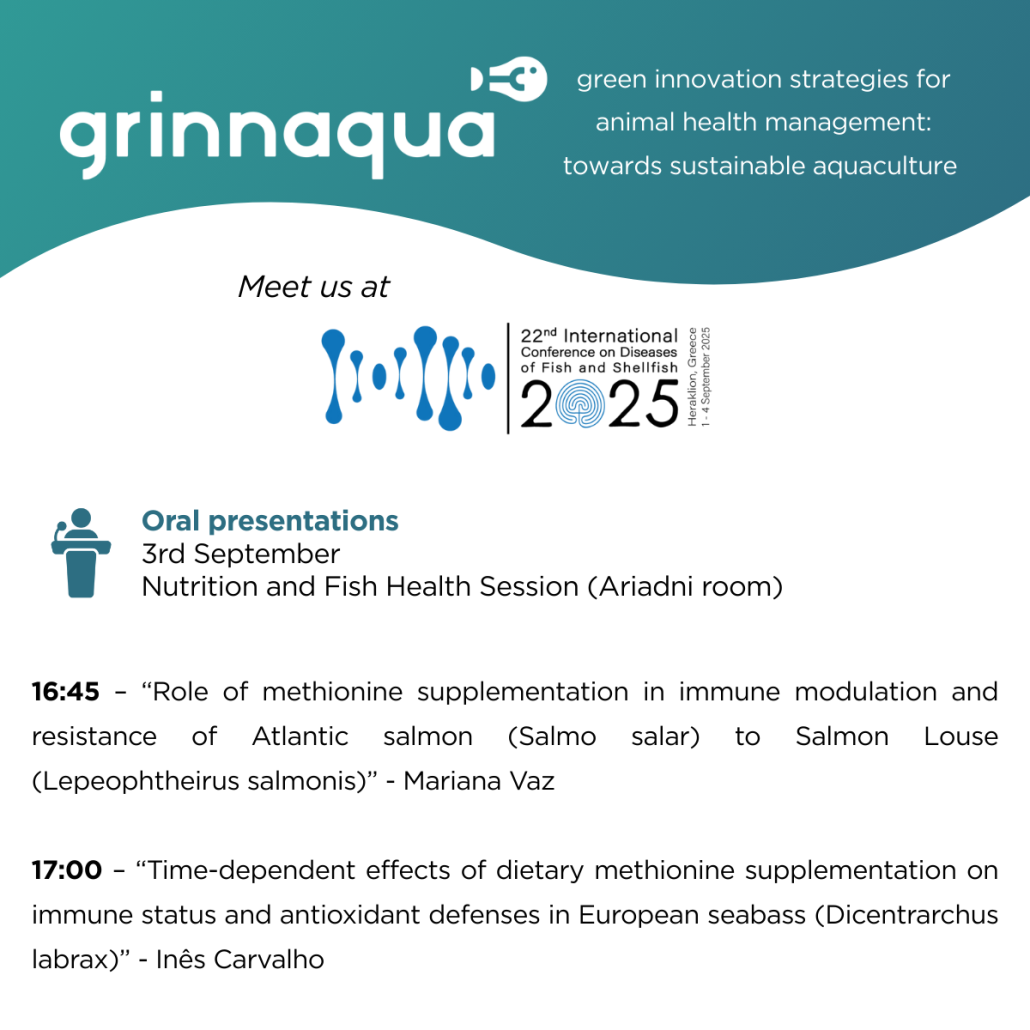
Our participation will span different formats, reflecting the wide scope of our work. Two of our researchers will deliver oral presentations on topics such as how methionine influences the immune system of European seabass, and the role of methionine in strengthening Atlantic salmon against sea lice.
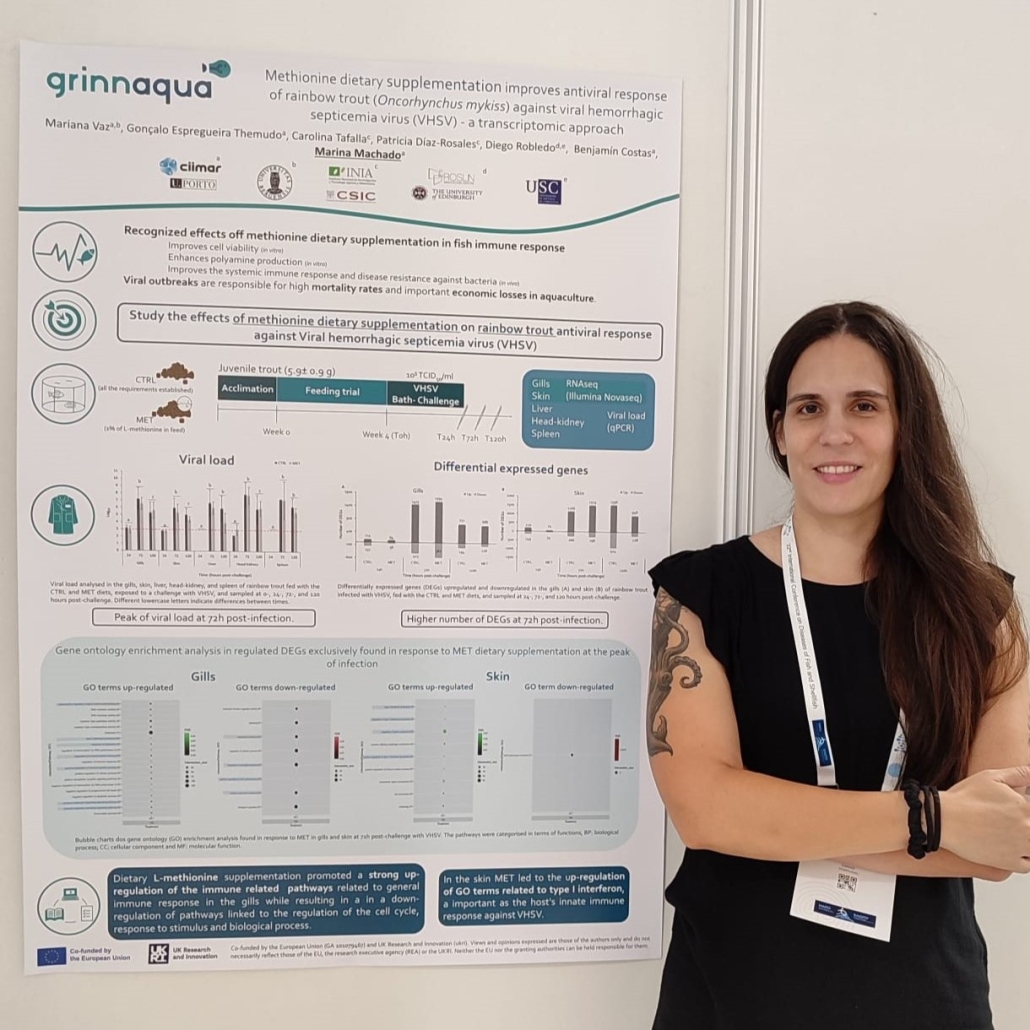
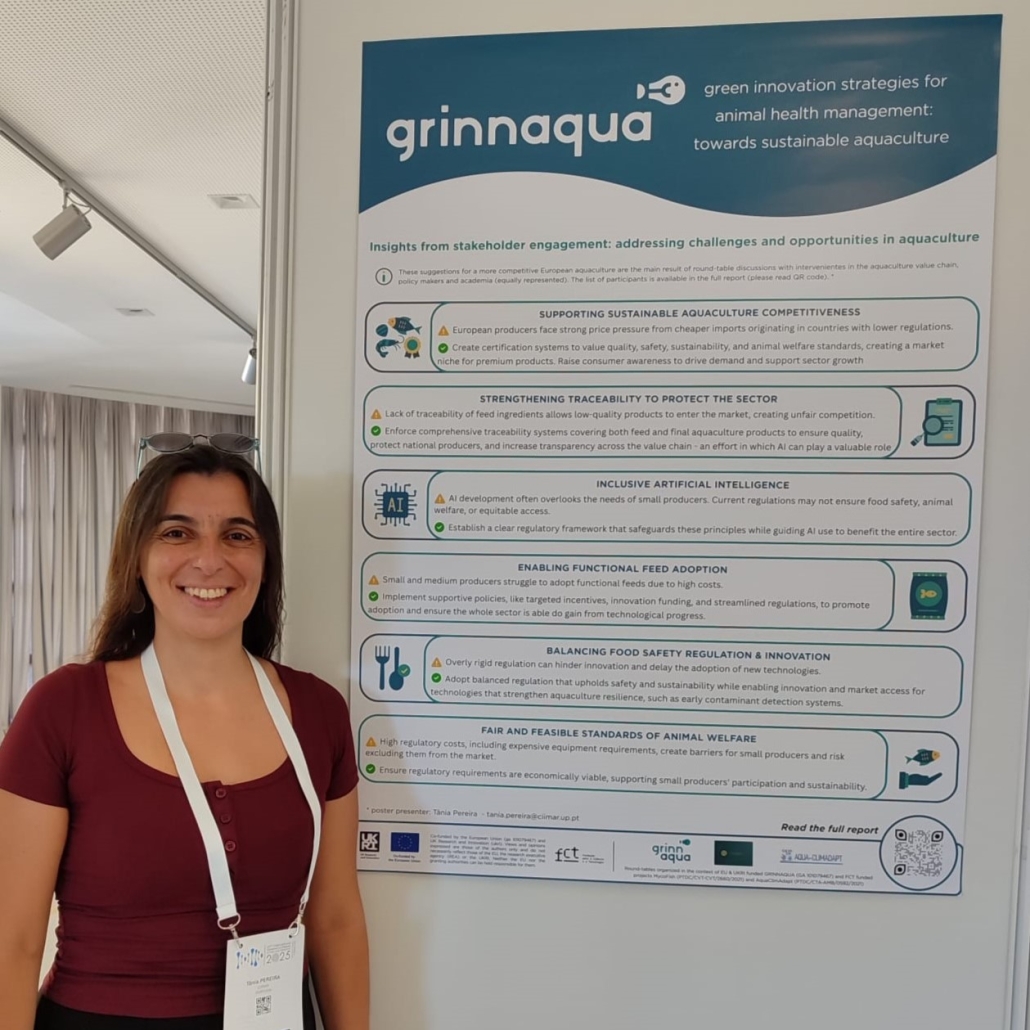
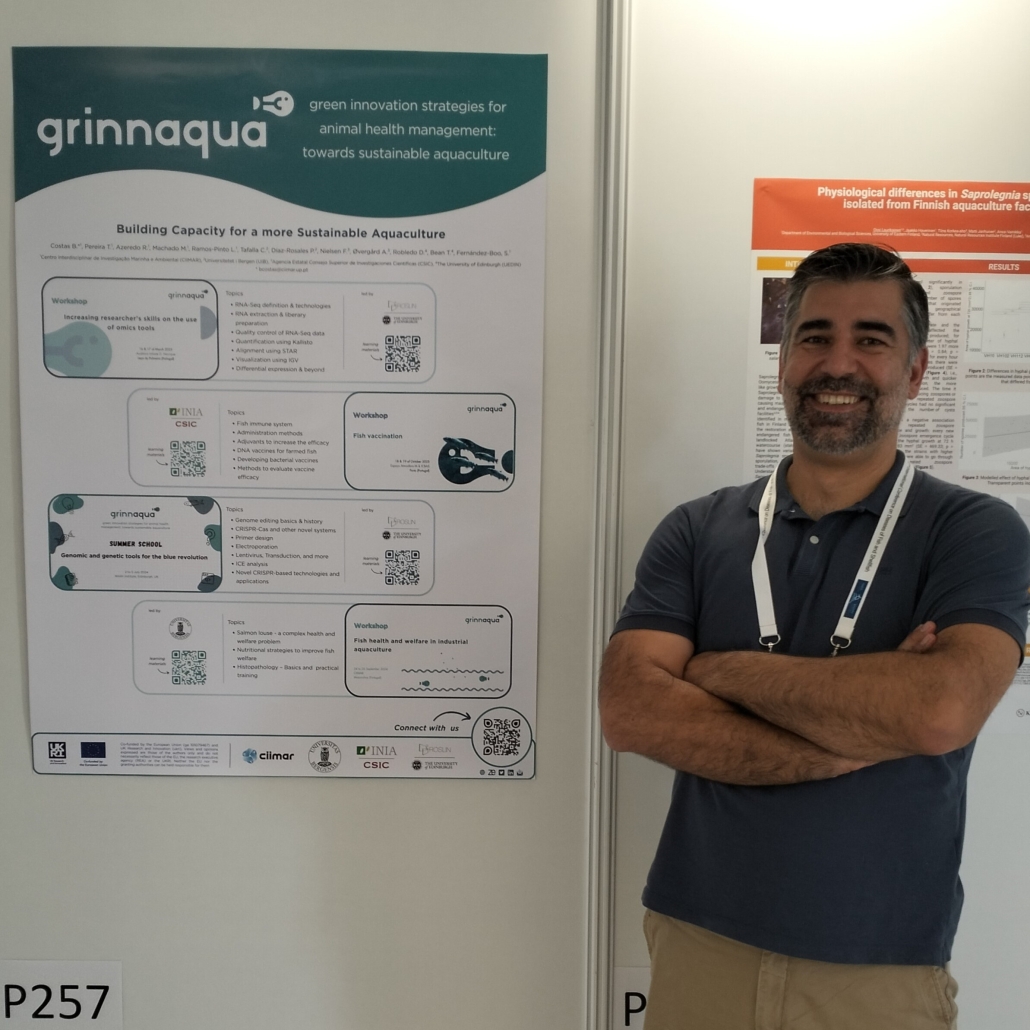
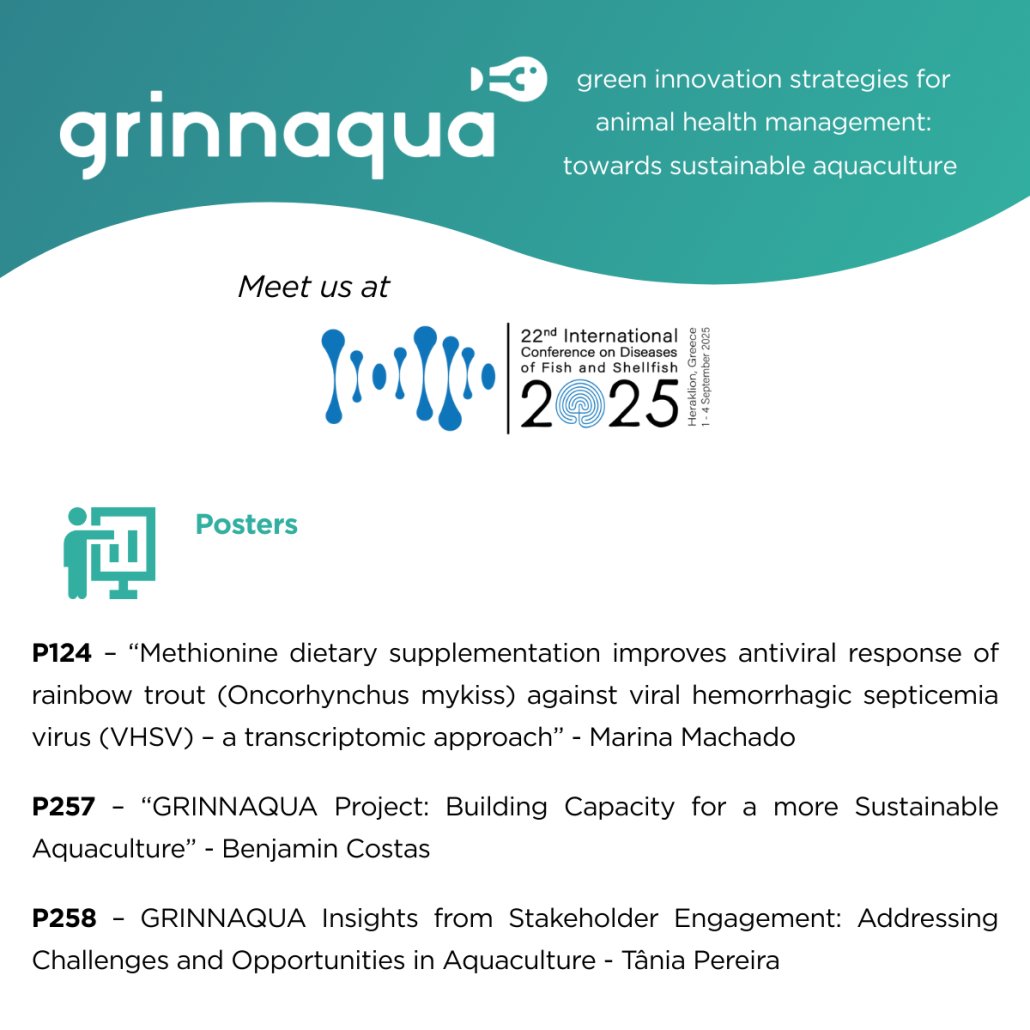
Alongside these talks, GRINNAQUA members will also present three posters, range from the capacity building materials created throughout the projects, the insights on challenges and opportunites for the aquaculture sector identified through stakeholder engagement activities and exploring how methionine enhances the antiviral defenses of rainbow trout.
We invite participants to engage with our sessions, explore our findings, and join the dialogue on building a healthier and more sustainable future for aquaculture.
Here’s where you can find us:
Oral presentations:
3rd September – Nutrition and Fish Health Session (Ariadni room)
- 16:45 – Mariana Vaz – “Role of methionine supplementation in immune modulation and resistance of Atlantic salmon (Salmo salar) to Salmon Louse (Lepeophtheirus salmonis)”
- 17:00 – Inês Carvalho – “Time-dependent effects of dietary methionine supplementation on immune status and antioxidant defenses in European seabass (Dicentrarchus labrax)”
Posters:
- P124 – Marina Machado – “Methionine dietary supplementation improves antiviral response of rainbow trout (Oncorhynchus mykiss) against viral hemorrhagic septicemia virus (VHSV) – a transcriptomic approach”
- P257 – Benjamin Costas – “GRINNAQUA Project: Building Capacity for a more Sustainable Aquaculture”
- P258 – Tânia Pereira – GRINNAQUA Insights from Stakeholder Engagement: Addressing Challenges and Opportunities in Aquaculture