Theoretical-practical workshop about omics tools in aquaculture

updated news. resources below

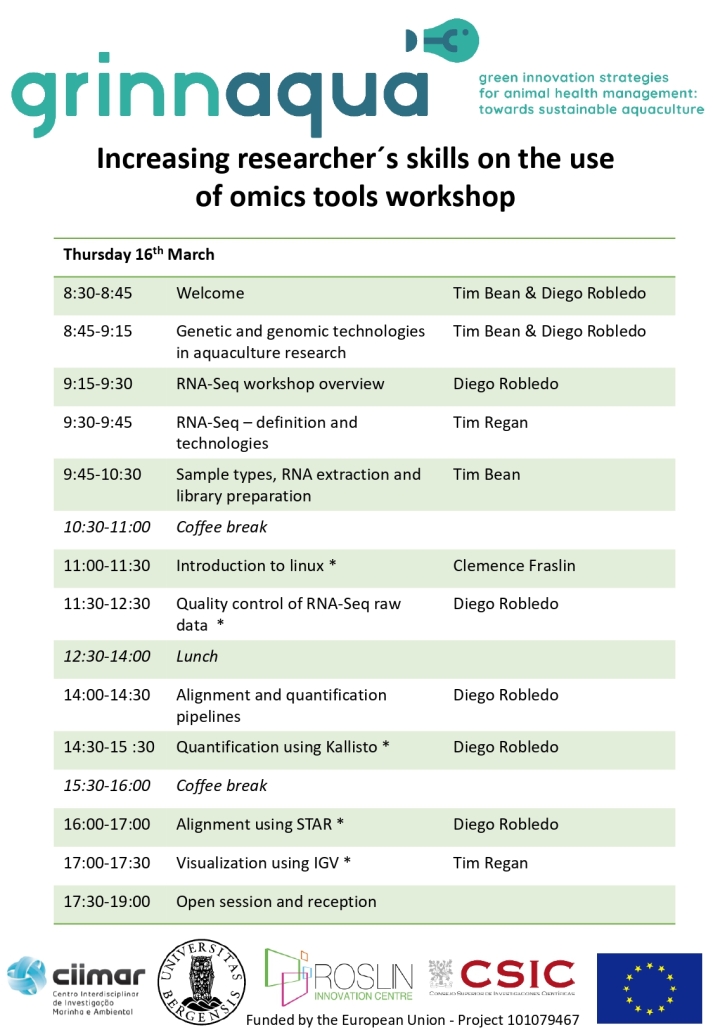
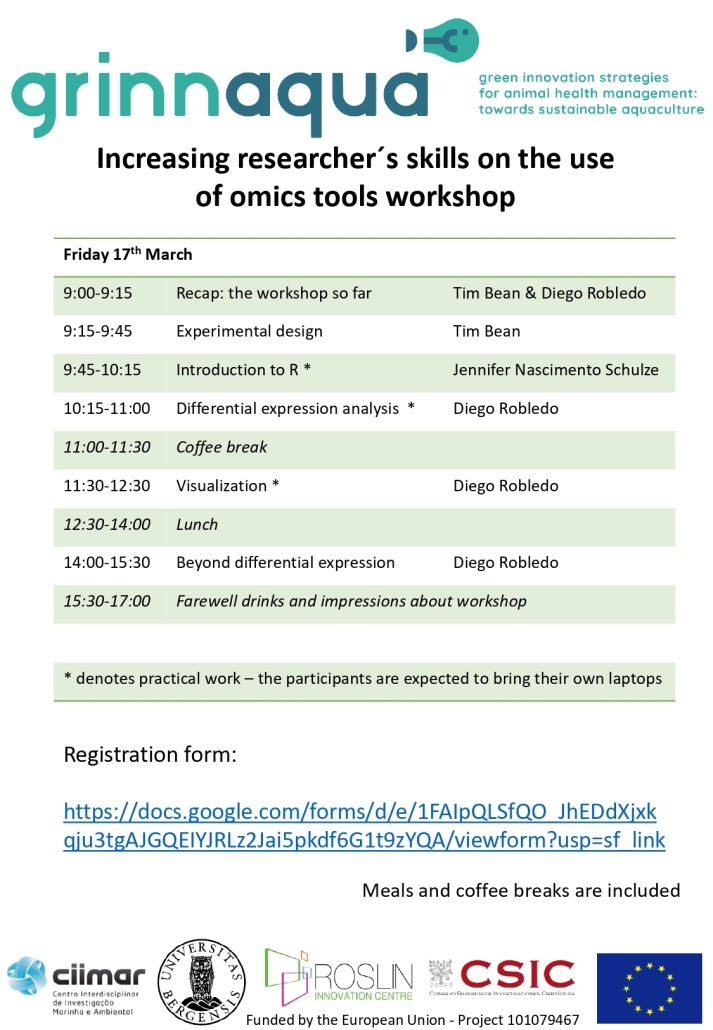
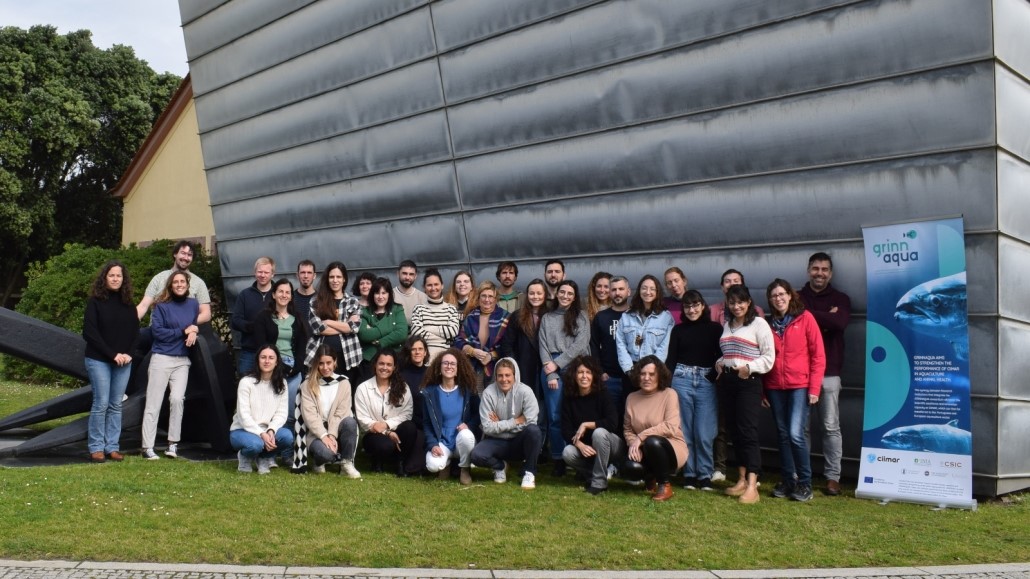
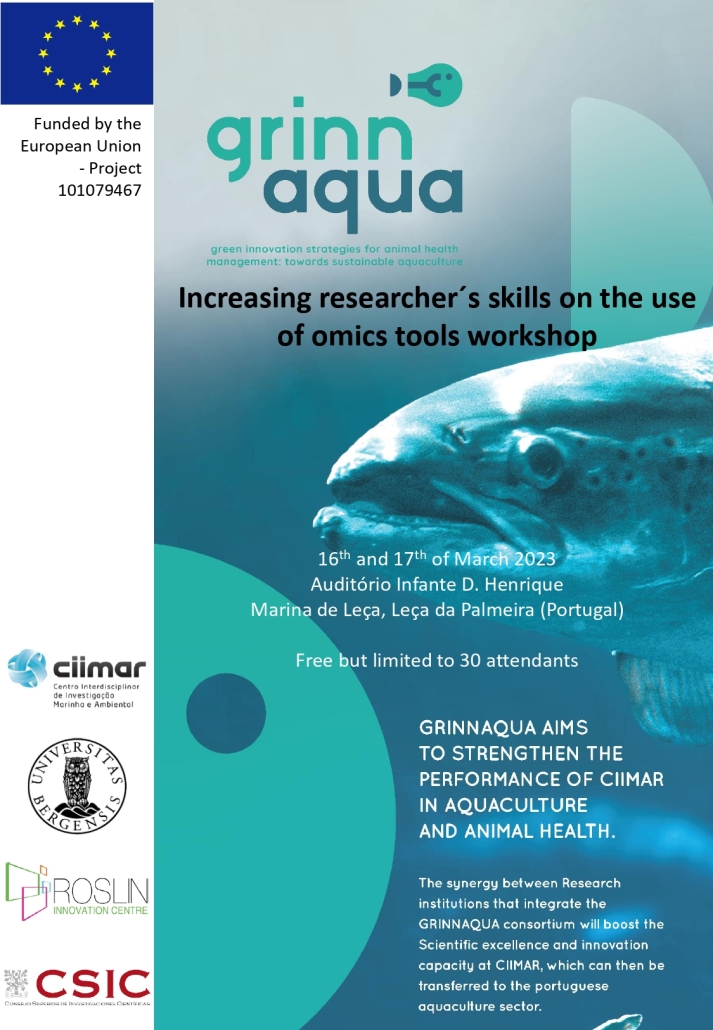
The first theoretical-practical workshop about omics tools in aquaculture, within the scope of GRINNAQUA project, took place on the 16th and 17th of March 2023, in Leça da Palmeira.

You can find more information and the workshop agenda here.
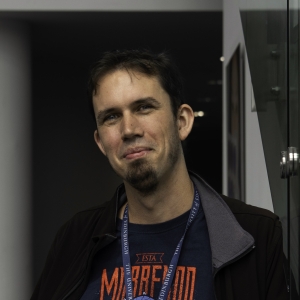
Training team

Diego Robledo

Group leader at Roslin Institute

Interesting in sex determination in turbot as well as other traits and species, generally developing genomic resources and studying immune responses to pathogens

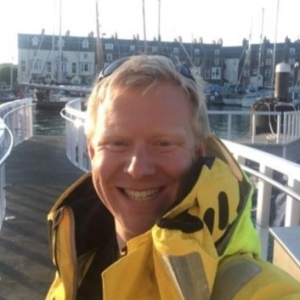
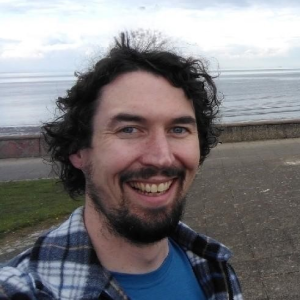
Tim Bean

Group leader at Roslin Institute

working to improve the productivity and success of bivalve aquaculture in the UK by using the most appropriate technologies to deal with issues such as disease and environmental health

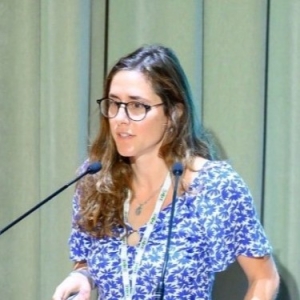
Clemence Fraslin

Postdoctoral researcher at Roslin Institute

Clemence is currently working to implementation of genomic selection to improve rainbow trout resistance to columnaris disease

Tim Regan

Postdoctoral researcher at Roslin Institute

Tim is working on the application of genome editing, screening assays and metagenomics to better understand host immunity and disease susceptibility resistance in humans, bees and various terrestrial livestock species

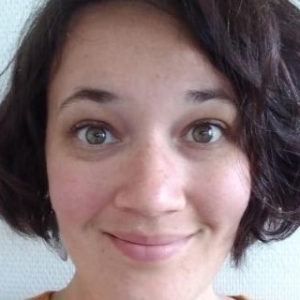
Jennifer Nascimento

Postdoctoral researcher at Roslin Institute

Oceanographer interested in ecophysiology and genomics of marine organisms. Application of statistics and bioinformatic approaches to investigate the implications of climate change in marine bivalves

Learing materials

You can download the workshop presentations here

Learning resources are available on github

Thank you all!

The “Omics tools in aquaculture” workshop, organized in the context of GRINNAQUA, was a success!

The first GRINNAQUA workshop, organized by our colleagues Diego Robledo, Tim Bean, Clemence Fraslin and Jennifer Schulze from the Roslin Institute / The University of Edinburgh, took place on the 16th and 17th of February.

Thank you to all participants for these intense and incredible two days!

Co-funded by the European Union’s (EU) Horizon Europe research and innovation programme, under grant agreement No. 101079467 (project GRINNAQUA) and the UK Research and Innovation (UKRI). Views and opinions expressed are those of the authors only and do not necessarily reflect those of the EU, the research executive agency (REA) or the UKRI. Neither the EU nor the granting authorities can be held responsible for them

© Copyright grinnaqua | Privacy Policy | Webdesign by Science Crunchers

Funded from the European Union’s Horizon Europe research and innovation programme under grant agreement No. 101079467 (project GRINNAQUA). Views and opinions expressed are those of the author(s) only and do not necessarily reflect those of the European Union. The European Union cannot be held responsible for them.

© Copyright grinnaqua | Privacy Policy | Webdesign by Science Crunchers